Back to Blog
Automation
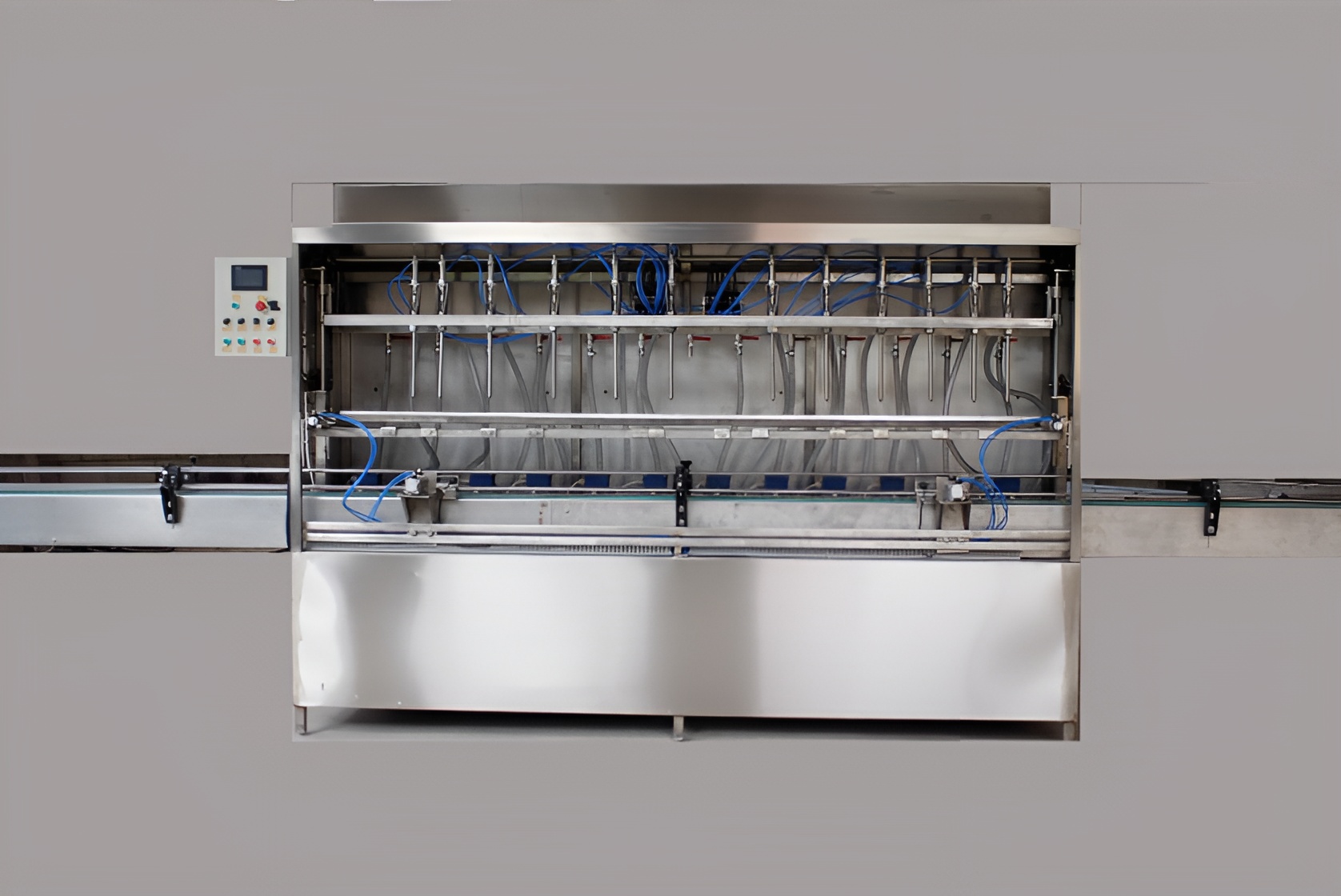
How Oil Filling and closing machine 3 nozzle Improves Production Efficiency
Ahmed KhanFebruary 15, 2026
The Rise of Oil Filling Automation
Oil filling automation has become the backbone of modern filling. By replacing manual processes with programmed machine instructions, fillers achieve unprecedented levels of precision and repeatability.
Key Benefits
- Increased throughput: Oil filling machines operate 24/7 with minimal supervision, dramatically increasing production capacity.
- Reduced waste: Oil filling accuracy means fewer defective parts and less raw material waste.
- Consistent quality: Every part produced meets exact specifications, eliminating human error variability.
- Lower labor costs: A single operator can oversee multiple oil filling machines simultaneously.
Implementation Considerations
When integrating oil filling automation into your production line, consider:
- Workflow analysis — Map your current processes to identify bottlenecks that automation can resolve.
- Machine selection — Choose oil filling systems that match your material types, tolerances, and volume requirements.
- Training investment — Ensure your team is trained on programming, operation, and basic maintenance.
- Scalability planning — Design your setup to accommodate future growth and additional machine integration.
Real-World Impact
Our clients have reported an average 40% improvement in production efficiency after implementing our oil filling solutions. One oil filler reduced their per-unit production time from 12 minutes to just 4.5 minutes.
The future of manufacturing lies in intelligent automation, and oil filling technology is leading the way.
Related Articles
Maintenance
Reducing Downtime with Predictive Maintenance
Read More
Manufacturing
Choosing the Right Industrial Machinery for Your Facility
Read More

Engineering
Benefits of Custom Production Line Integration
Read More